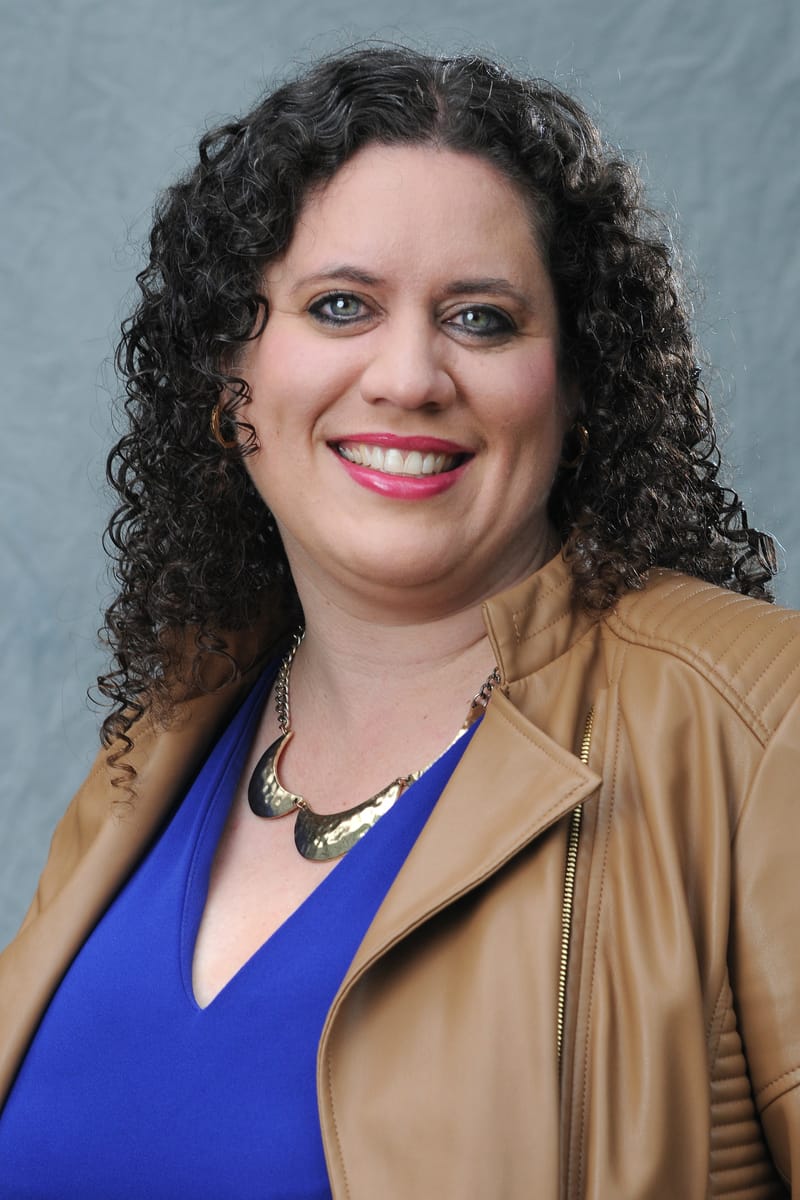

What you probably already know: The Lindsay Clancy trial has thrust postpartum depression and psychosis into the cultural conversation. But there’s much that’s been missed or oversimplified as the debate over this particularly tragic case has surged, says Rashmi Raghavendra, CEO, co-founder and board chair of Dionysus Healthcare, a fast-growing startup that produces a blood test to gauge the risk of developing postpartum depression or psychosis. “There is a stigma associated with postpartum depression, postpartum mental health … because it’s believed that you’re failing as a mother,” Raghavendra says. “It’s not the ‘baby blues.’ It’s not just exhaustion. It’s not lack of sleep. The true symptoms of postpartum depression are triggered because of biological reasons.”
Why? Women whose bodies are more sensitive to extreme hormonal changes are more likely to experience postpartum mental health issues. Dionysus Healthcare has made an epigenetic blood test called myLuma that can predict the risk of a mother developing postpartum depression by looking at the way their bodies react to the rapid hormonal changes after delivery, when estradiol and progesterone crash. Then, Dionysus uses AI to create a predictive risk score. “Some women are more sensitive to this than others,” Raghavendra says, “and the severity of the symptoms are triggered by your sensitivity to the hormonal changes.” About one in eight women experience postpartum depression, while symptoms of postpartum psychosis are much more rare.
What it means: For the 0.1% of women who do experience postpartum psychosis, the symptoms can come and go, making it difficult to diagnose. “There are periods where the individual can look perfectly normal and then have another episode,” Raghavendra says. But in the U.S., postpartum care tends to end after week six, and then it shifts entirely to pediatric care, leaving the mother out of the picture entirely. Combine that with the stigma and shame many women have if they are struggling with depression or psychosis, and very few women get the treatment they need. It’s the system, she says, that is broken, not these mothers.
What happens next: This is what Dionysus Healthcare is trying to change: Identifying risk factors for women so they can talk to their physicians about what to watch for and get support before the symptoms hit. “You don’t ask a mother for the first time if she wants an epidural right when she’s in labor,” Raghavendra says, “because the physician knows that they are not in the right mental state to make that decision. Yet somehow, six weeks later, after having such an excruciating, physically exhausting experience, going through all these hormonal changes, you’re expected to be back to normal.” Instead, Raghavendra wants mothers to identify the risk early and 10 weeks before the baby is born, set up their fourth trimester care plan including postpartum doulas, therapy and check-ins with trusted physicians. “When we allow women to be human and show up the way they are and not have to hide, then I would call that a victory,” Raghavendra says,” but I don’t think we are ready for that yet.”

Hear from Rashmi Raghavendra at the Women’s Health Summit on Oct. 30. Right now, we’re running a buy one, get one half off special for tickets. Use code BRINGAFRIEND and grab it while you can!