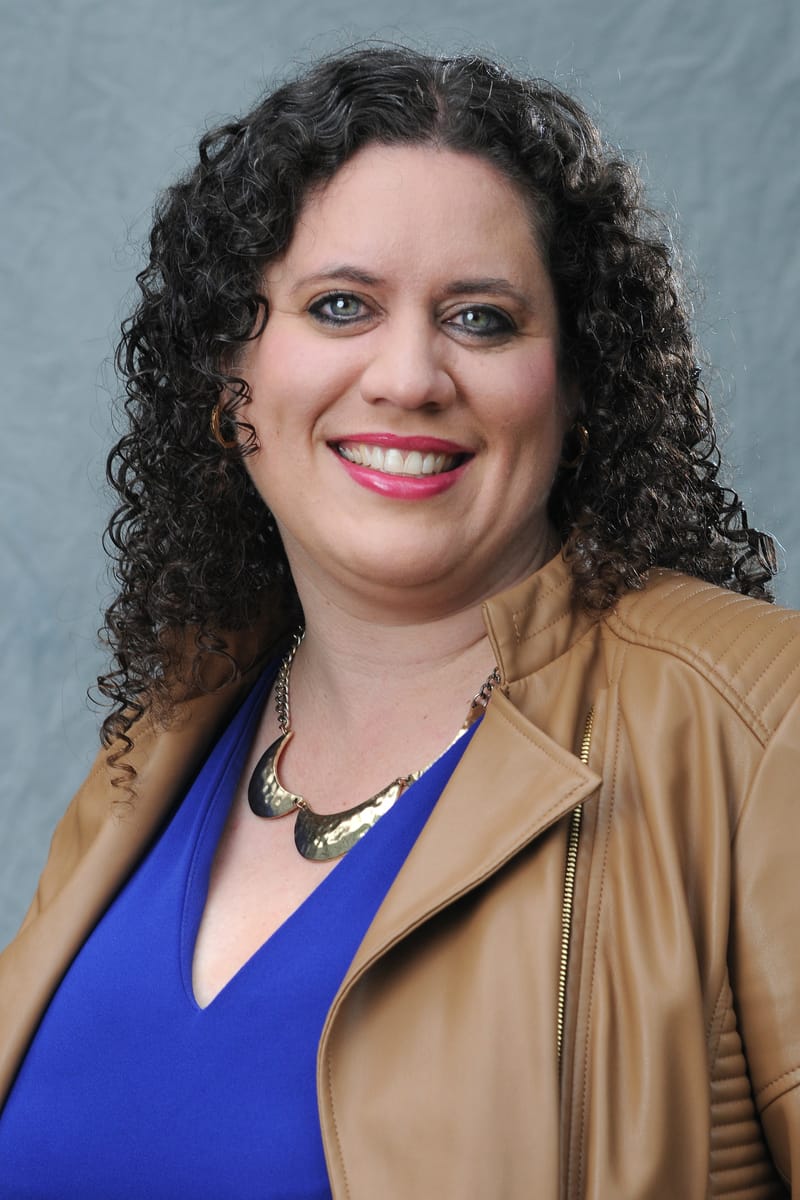

Leigh Morgan is concerned that cuts to foreign aid open the U.S. up to national security risks down the line. Photo courtesy Leigh Morgan.
What you probably already know: The United States has slashed more than $60 billion in foreign aid that had already been allocated by Congress, leaving aid groups around the globe scrambling to provide services to those who are most vulnerable. In many cases, groups have completely terminated programs. An aid group providing food to malnourish children in Congo ended its program earlier this year, as did the largest anti-malaria project in Senegal, and more than 600,000 women and children lost access to health care and reproductive services in Bangladesh. In Burkina Faso, more than 400,000 people lost access to water that an aid group supported by USAID was providing. Now, the Trump Administration is seeking to cut another $12 billion in aid previously approved by Congress, though a federal judge blocked the administration’s move last week.
Why? While Trump officials say the cuts are necessary to reduce government spending, the USAID budget made up less than 2% of the federal budget. Many global leaders worry that the instability caused by the rapid reduction in aid will result anti-American sentiments to bubbling up in areas it otherwise might not. Leigh Morgan, whose career in public health included time as the COO of the Gates Foundation, is concerned these cuts will result in long-term distrust of the U.S. “The U.S. reputation is generally very positive because people know you are actually trying to help,” she says. “So when that goodwill goes away, then not only do we have suffering increase, but then you tend to have civil unrest, which breeds conditions right for terrorism.”
What it means: Morgan pointed to a UK-based medical journal, The Lancet, which estimated that approximately 14 million people would die as a result of these cuts by 2030. “That’s catastrophic,” she said. “We’re talking about kids not getting polio shots, we’re talking about people dying of preventable diseases.” While USAID was not perfect, Morgan said, the vast majority of the work the agency did was very strong. There was about 20% of the programs that could have been adjusted, improved or cut, she said. Cutting the entire agency so suddenly caused unnecessary chaos and meant that stockpiles of life-saving supplies — enough to feed 3.5 million people — rotted in storage.
What happens now? According to the UN World Food Programme, at least 343 million people face food insecurity worldwide, and 1.9 million of them are either in or on the brink of famine. Most of those experiencing famine are in Gaza and Sudan, but others are in Haiti and Mali. While some food aid has made its way to these critical areas, about 500 metric tons of food expired in U.S. warehouses in July before it could be shipped to areas in need and was incinerated or sent to landfills. The cuts also mean thousands of people working for NGOs in the countries that received this aid have also lost their jobs, putting them at risk of food insecurity as well. “This means huge suffering that has increased,” Morgan said. “This has immediate implications now on the health and wellbeing of people around the world.”


