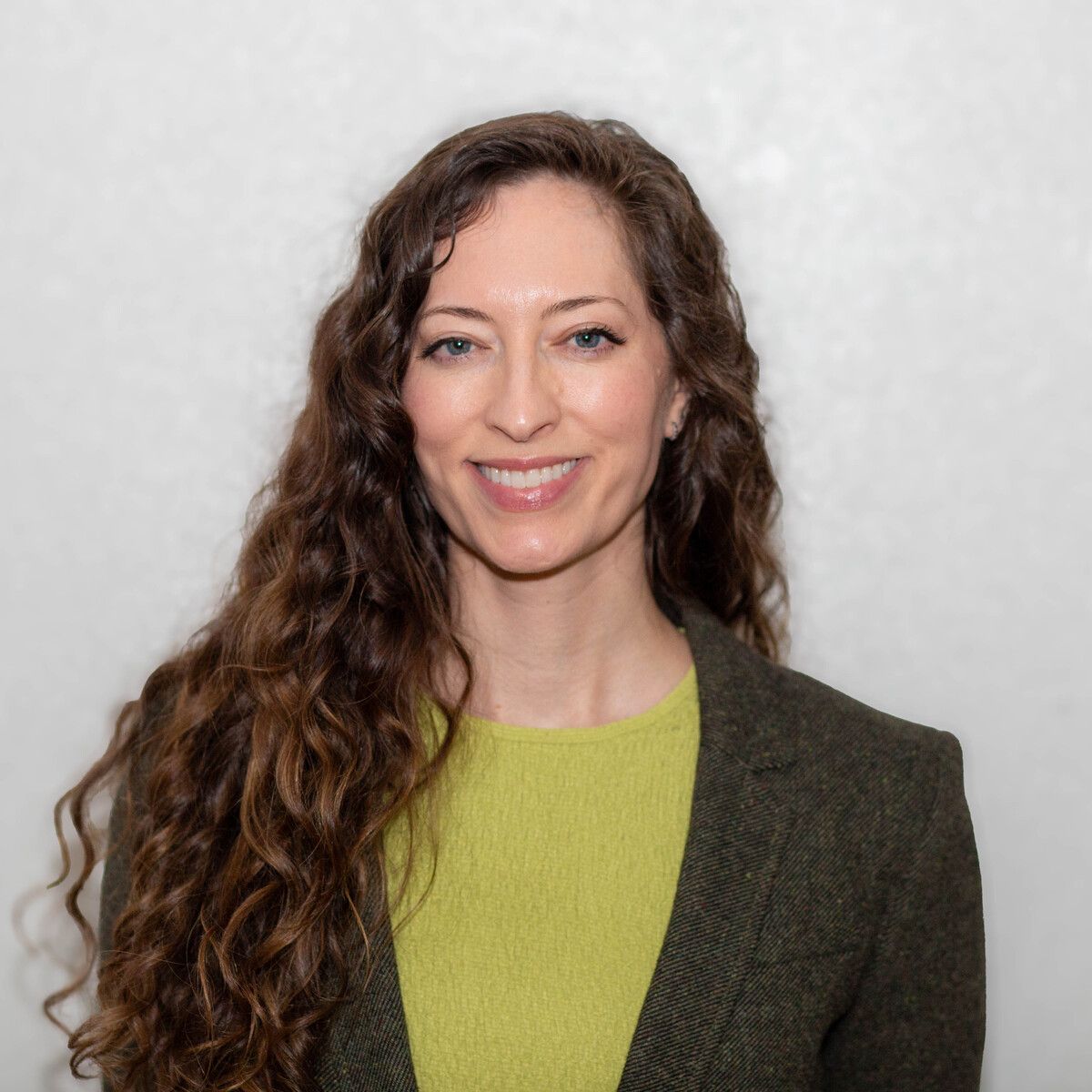

Lauren Chambers recommends learning more about nutrition for hormone health through cookbooks like hers, seeking a holistic medical specialist or using an at-home mail-in panel like the DUTCH test.
We recently talked food and hormone health with Lauren Chambers, a nutrition and hormone health coach and author of Hormone Healthy Eats. Today, she’s sharing insights on menopause, foods to avoid and GLP-1 drugs.
Do nutritional needs change during perimenopause and menopause? One of the best ways that you can support (the perimenopause transition) is through nutrition, especially protein, during this phase. Protein is the building block of all hormones. Women find they’re hungrier and eating more, so if you up your protein intake, that can really help curb some of those cravings. We also start to lose muscle mass and bone density, and muscle mass is what helps regulate our metabolism, so then weight gain can come on. If we’re eating protein, lifting weights, that’s really going to help us retain muscle mass and support our metabolism. (It will) help with stress in our bodies as well. The less stress we can put on our bodies, the more we can have that little reserve to help buffer some of those things out.
What foods should women eat? If you’re looking for the most bang for your buck nutritionally, I would emphasize animal protein, which often has fat, which goes against things we’ve been told to believe in the past. But the micronutrient makeup of those animal proteins and fats — you can’t get these in the same quantities in plants or anything else. Vitamins A, D, E and K are fat-soluble vitamins. Protein, collagen, amino acids, DHA derived from omega-3 fatty acids, all the B vitamins, and all the minerals like magnesium, selenium, iodine, all support thyroid health.
What foods should be avoided? If we crowd in real whole foods, we’re going to crowd out processed foods. With all packaged and processed foods, the more ingredients listed, the more processed they are and probably the more inflammatory they are to your hormones.
How do supplements stack up against whole foods? When we get nutrients with food versus a supplement, a lot of times in the supplement it’s isolated, like iron. Whereas when we eat an iron-rich food, it actually has other vitamins and minerals that help us metabolize it. Supplements can be a great addition, but you need the foundation first.
What’s the most dangerous or misleading piece of nutritional advice circulating about women’s hormonal health? Any trend that’s rooted in restriction or undereating. One thing I would say, too, is the use of GLP-1s. I definitely think they have shown a lot of promise for people who need help metabolically, but the context matters. They suppress your appetite, so you’re undereating, usually drastically. When you get off, you’ve also broken down your muscle mass, which we know is important for our metabolism. Then the weight comes back, not to mention that as we’re aging, we want to support our bone density and our muscle mass. If our bones are brittle and we fall down and break a hip, that can be catastrophic.
If you could advise women to make one dietary change, what would it be and why? Take an inclusive approach to food instead of an exclusive one. Add, don’t take away. When you're building your meals or your plate or your snack, instead of approaching it like, “Oh, I can't eat this, I can't eat carbs, I have to stay away from this,” look at it like, “What can I add to my plate that's going to support my hormones, keep me fuller longer, so I don't crave a snack an hour later.” When you approach it through that lens, it is much more enjoyable, and that makes it more sustainable. Consistency is key. It's about consistency versus intensity.


