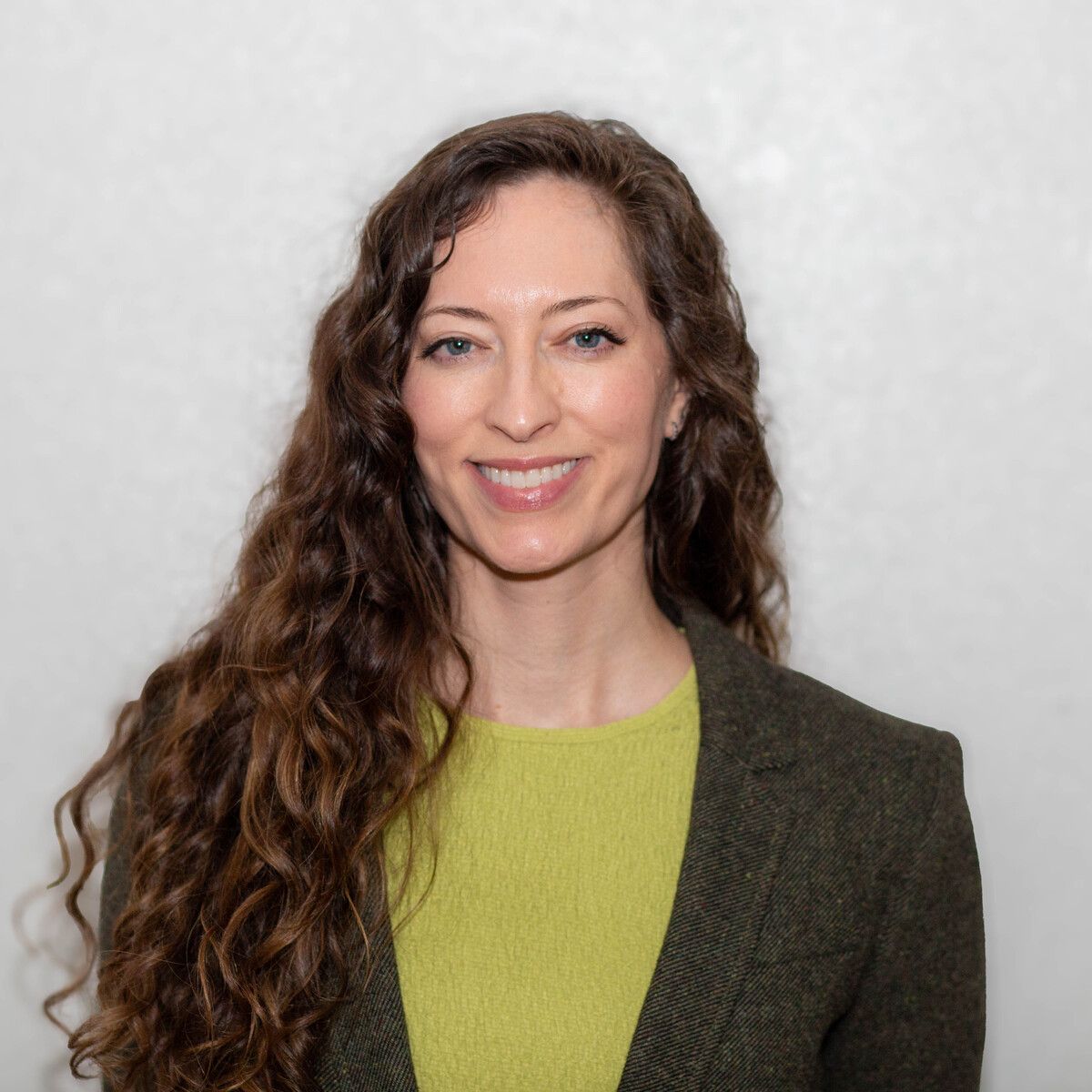

Paid Leave for All Director Dawn Huckelbridge says blunt honesty in out-of-office messages could drive understanding and create meaningful change.
What you probably already know: More than 450,000 women left the U.S. workforce last year. It was one of the steepest declines on record, driven largely by mothers with young children as childcare costs soar, schedules become less flexible and national paid leave remains glaringly absent. Economists caution that the shift not only signals a setback for gender parity; it could also impact labor market trends far into the future. But 450,000 is just another statistic in a daily deluge of information, and it’s all too easy to lose sight of the human cost behind it. Paid Leave for All recently launched a national campaign that pushed the problem into the spotlight: For one day, people set their out-of-office email replies to reflect the care responsibilities that pulled them away from work and shared screenshots of their OOO messages publicly. Millions joined in, flooding social media, airport screens and Times Square billboards with messages like:
• “I’m OOO hosting Thanksgiving with an ovarian cyst and a fibroid while solo parenting because my husband’s on a 72 hour shift as a firefighter.”
• “Hi! Thank you so much for your message. I’m #OutOfOfficeForCare because I need to pick up my kid from school and my mother-in-law is in memory care and needs my support, it’s getting colder and I’m pretty tired.”
Thank you for your email. I'm OOO because...
• My daughter just threw up in my lap.
• My aging mom needs help moving to a new apartment.
• Daycare is closed all week for deep cleaning after a norovirus outbreak.
• Schools are closed for every federal holiday and many religious holidays but my office is not.
• My aging dad needs help navigating Medicaid applications.
• All three of my kids need to see the dentist.
• All three of my kids have a fever.
• I will return your message as soon as Congress passes #PaidLeaveForAll.”
“I’ve decided to be Out of Office today. Because, as a mom and caregiver, I've already worked a full shift before most people decide between oatmeal and eggs for breakfast. I have 25 tasks swirling around in my head at any one point in time (they call it the invisible load). And I’m exhausted. Millions of women, caregivers and essential workers can’t take the time they need to rest, recover or care — not without risking their paycheck.”
Why it matters: Reading a statistic rarely translates to swift intervention. What moves people to urgency is being able to picture the stories and the desperation or humanity behind them, says Dawn Huckelbridge, director of Paid Leave for All. “Every day in the United States, people are forced to choose between their family and their job, their life and their livelihood,” she notes. “Every day, people are crushed by the strain and cost of caring for children and aging parents. Every day we're juggling and struggling just to get by. This is true across socioeconomics, but for some of us it's absolutely about sinking or surviving.” Sharing hard truths in an OOO message is an opportunity to spark a conversation about who has time to care and who doesn’t, and why.
What it means: Juggling the cost and time demands of caregiving pushes many women out of the workforce, and this is especially true for mothers. Childcare ranges from nearly $7,000 a year to over $28,000, depending on where you live. On top of the financial burden, caregivers are more likely to face anxiety, depression and substance abuse challenges as stress mounts. Huckelbridge says the Out of Office for Care campaign exposed a sincere need among overwhelmed caregivers to share the heartfelt realities of daily life and what it costs them to step away from work without paid leave. “We were struck by the vulnerability in the responses,” she says. “Caregivers — people from all walks of life — are so desperate to be heard and seen. Whether they were humorous or angry, the stories were real and raw.” As the Paid Leave for All website puts it, the posts “show a country caring in every direction and a policy landscape that hasn’t caught up.”
What happens next: The OOO messages were forwarded to every member of Congress before the holiday break, and Paid Leave for All continues to share them in-person this month. Huckelbridge says that many haven’t responded, but others have been inspired to join the movement. Rep. Rosa DeLauro shared her personal experience with ovarian cancer and the critical need for paid family and medical leave. Sen. Andy Kim opened up about his dad’s Alzheimer’s diagnosis, the cost of caregiving and his efforts to support others facing similar challenges. Huckelbridge says Paid Leave for All may repeat the Out of Office for Care campaign in the future, or evolve it into something new. For now, she shares this message with caregivers: “You’re doing amazing — and the struggle isn’t your fault, it’s the failure of systems, of government. We’re fighting to fix it.”


